Guide
The 5 Essential Types of Hospitality Photography for Luxury Brands
Hospitality photography is more than a room with tidy bedding. For luxury hotels, villas and tourism brands, it is the first point of contact between a guest and a dream. The right images build trust, justify premium rates and turn browsers into bookers.
Why hospitality photography matters
In the luxury travel market, guests book with emotion and justify with logic. High-quality hospitality photography answers both needs at once: it shows the atmosphere a guest can expect, while signalling professionalism and attention to detail. Brands that invest in a cohesive visual library consistently report stronger engagement, higher perceived value and improved conversion rates across their website, OTAs and social channels.
The five essential styles
Each style serves a different purpose in the guest journey. The strongest campaigns combine all five into one consistent visual language.
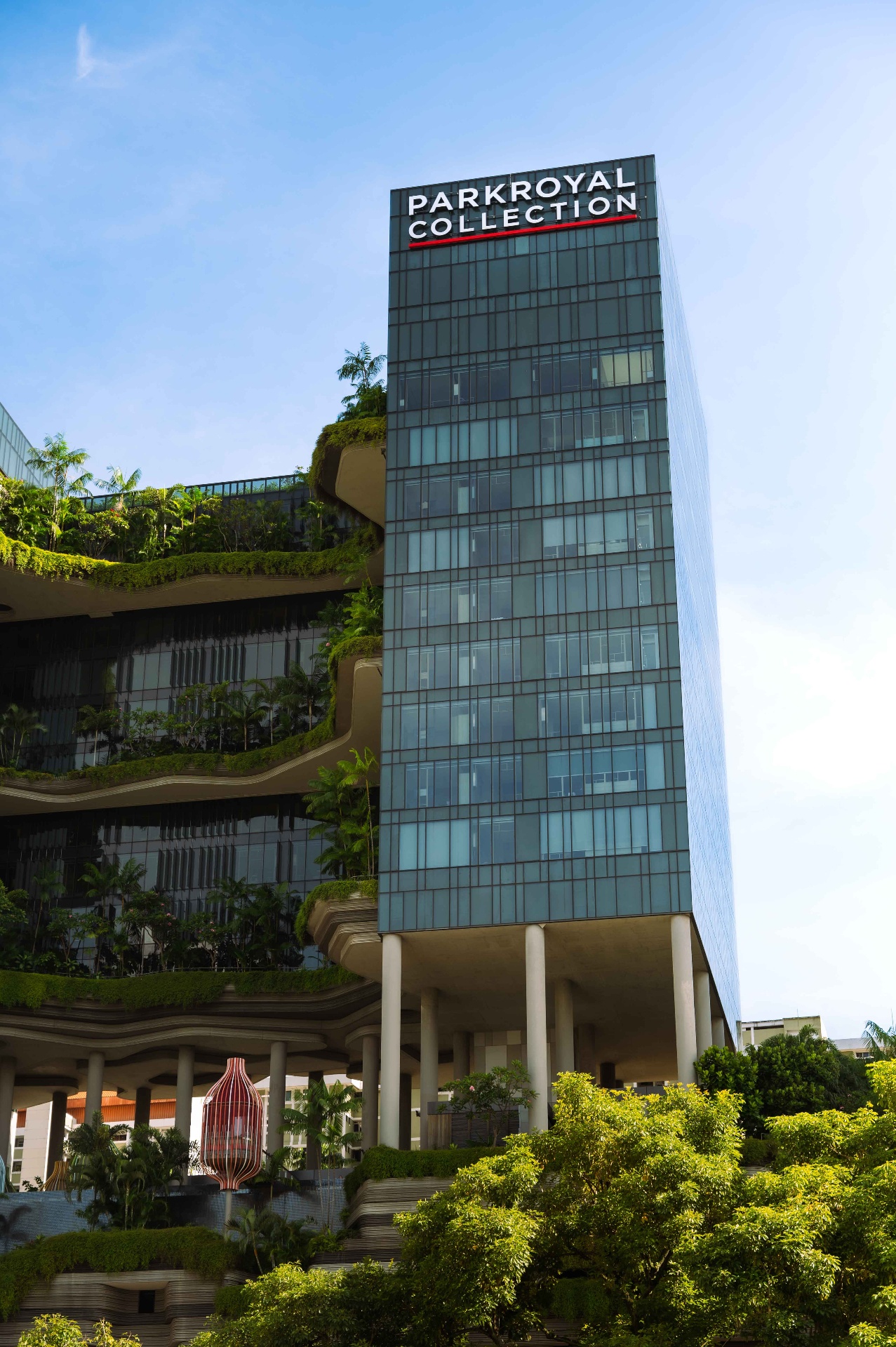
1Architectural & Interior Photography
This is the foundation of most hospitality photography libraries. Architectural and interior images showcase space, light, materials and design intent. They are used on booking engines, homepage hero banners and print brochures. The best shots are taken during the "golden window" when interior and exterior light balance, so windows remain detailed rather than blown out.
When to use it: Room pages, OTA galleries, investor decks and press kits.
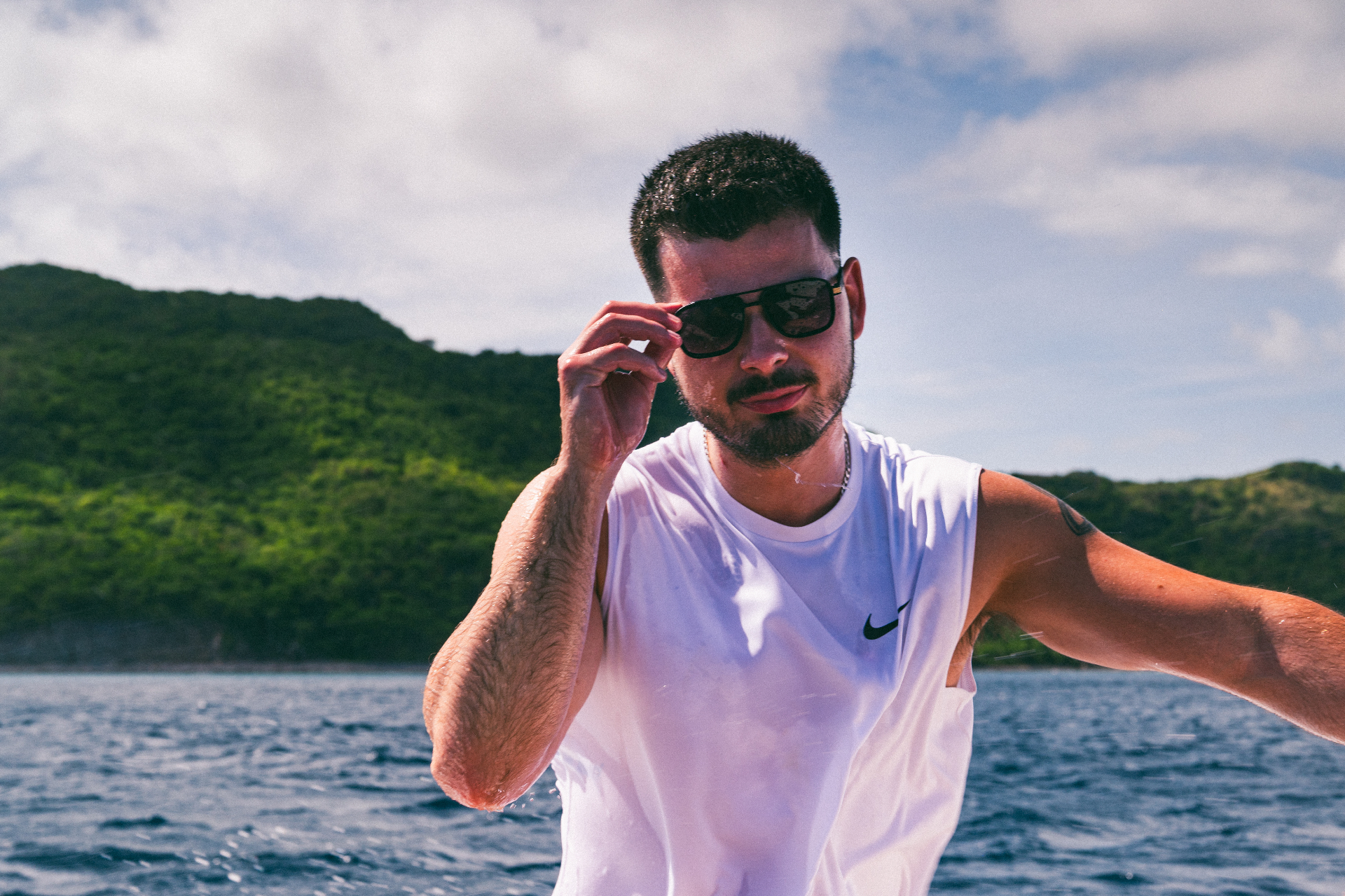
2Hotel Lifestyle Photography
Hotel lifestyle photography puts people at the centre of the story. It shows guests laughing over breakfast, reading by the pool or walking barefoot through a vineyard. These images sell the experience, not just the room. They are essential for brands that want to communicate warmth, service and emotional connection.
When to use it: Social campaigns, brand websites, email marketing and destination landing pages.
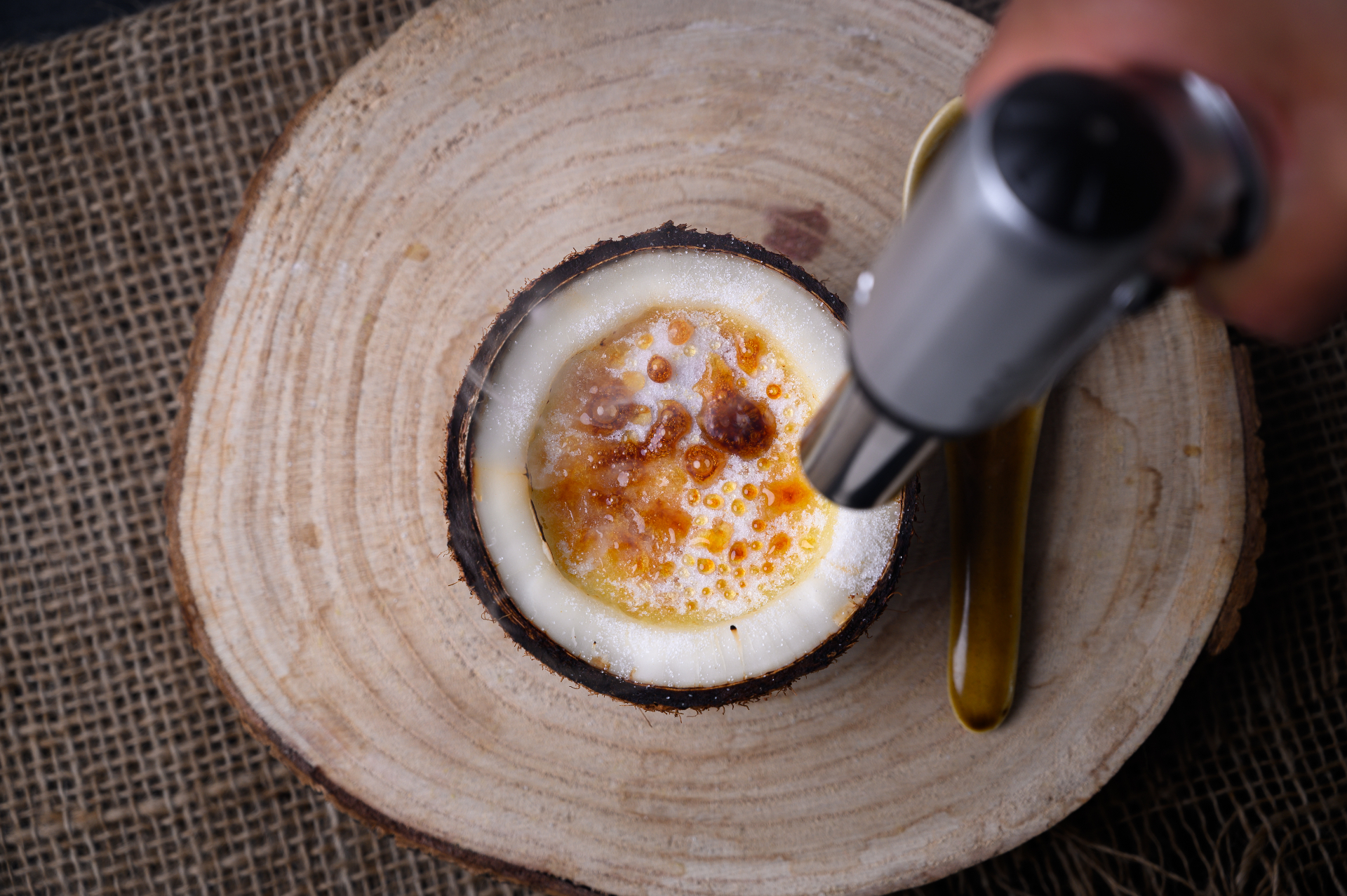
3Food & Beverage Photography
Dining is often a deciding factor for luxury travellers. Food and beverage photography should feel as considered as the menu itself: directional light, honest plating and a sense of place. Whether it is a chef's tasting menu, a poolside cocktail or a breakfast spread, these images turn restaurants into destinations.
When to use it: Restaurant microsites, in-room dining menus, social reels and reservation platforms.
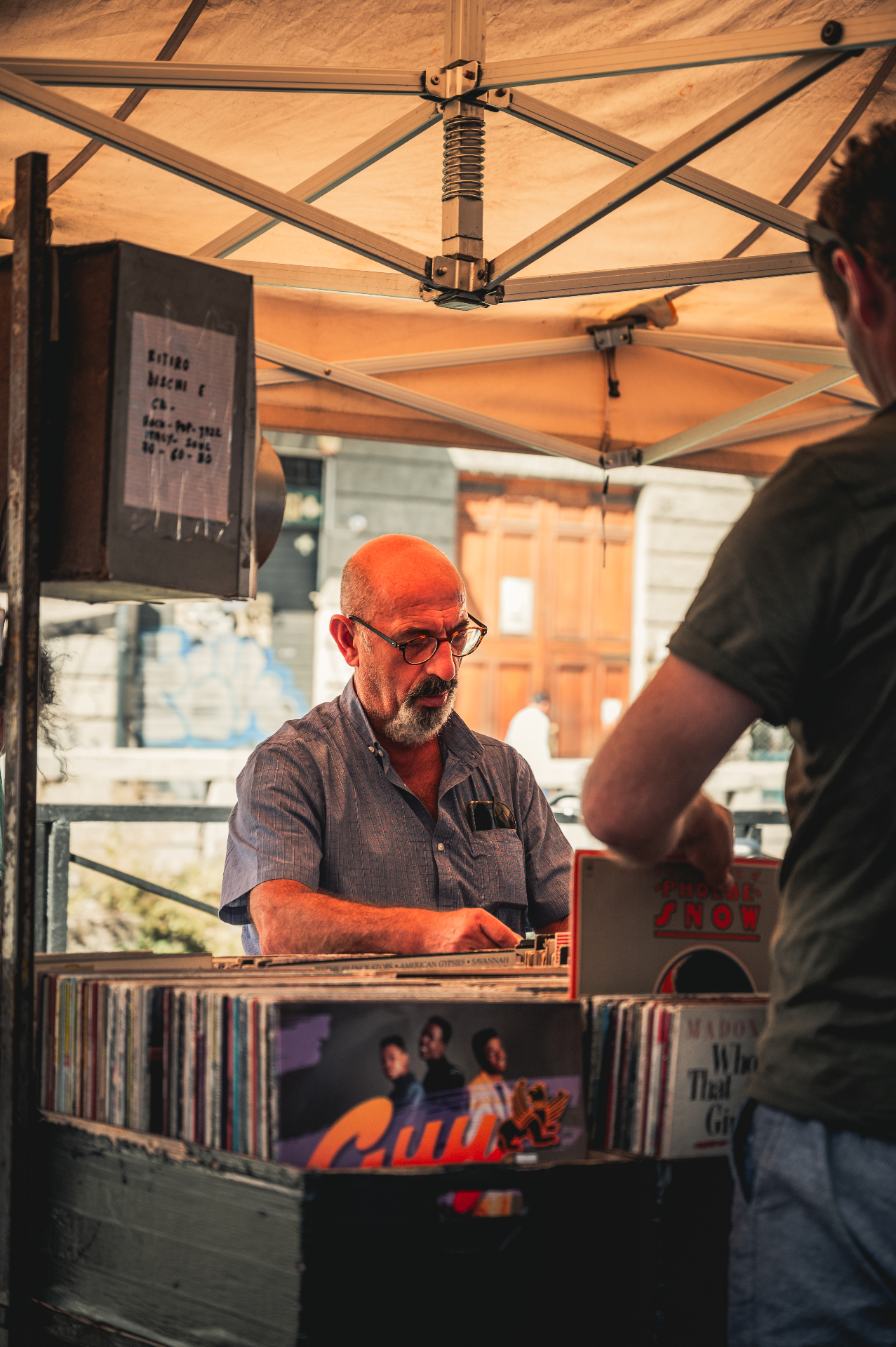
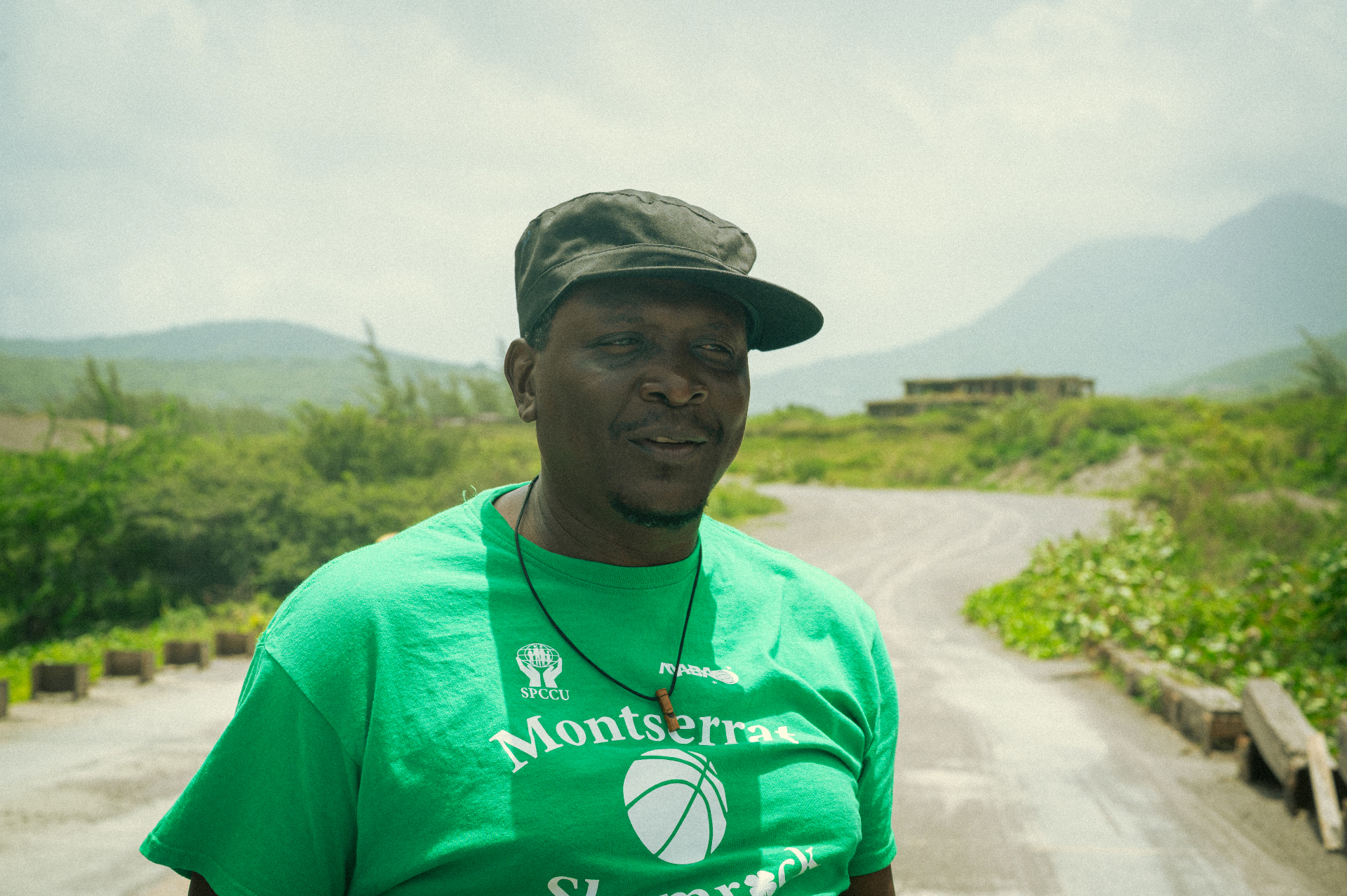
4Editorial & Brand Story Photography
Editorial hospitality photography ties every other style together. It includes staff portraits, behind-the-scenes moments, detail shots and location portraits that reveal the personality behind the property. This style is what separates a generic hotel listing from a brand with a point of view.
When to use it: About pages, press features, brand films, investor storytelling and recruitment campaigns.
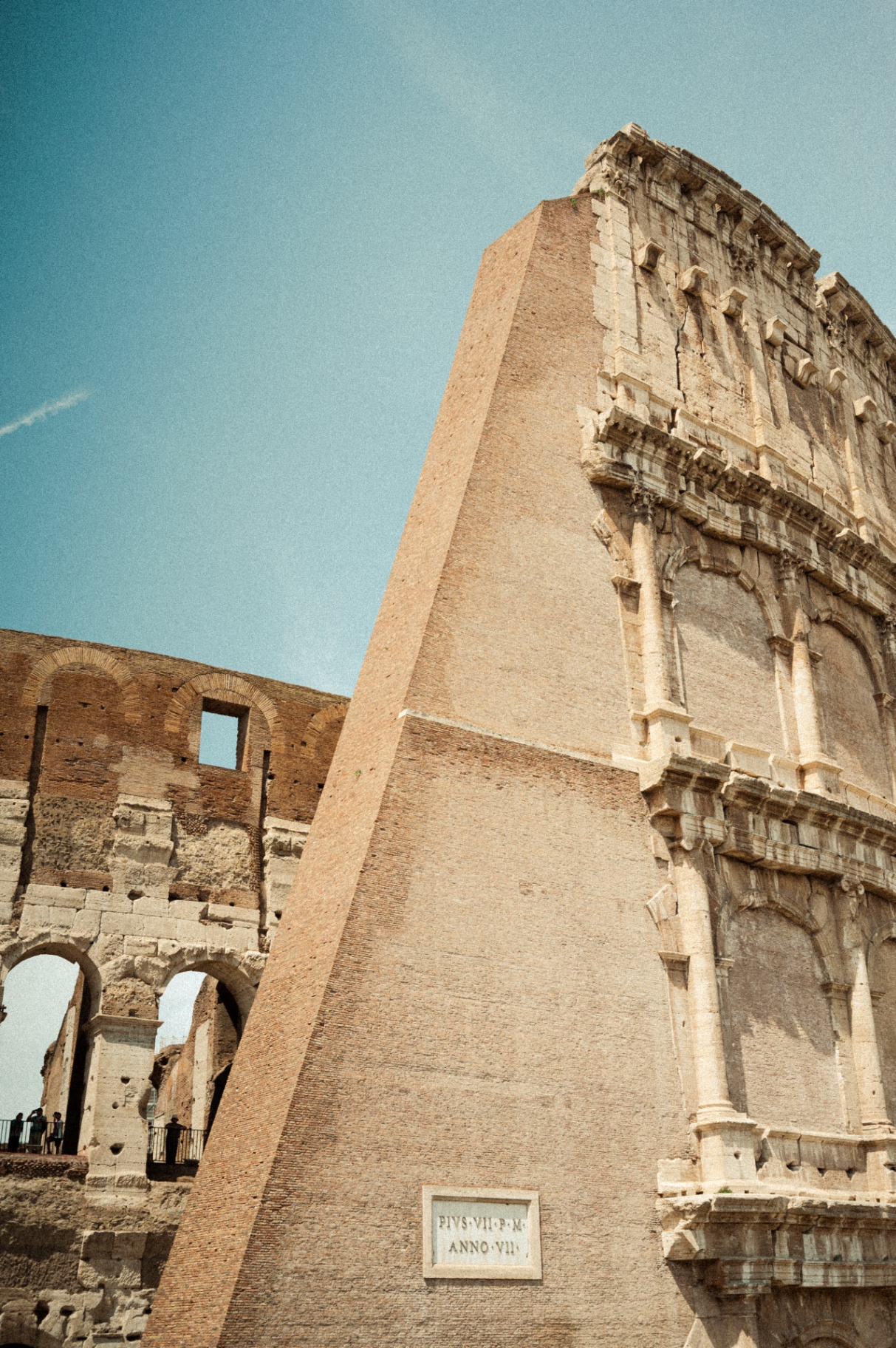
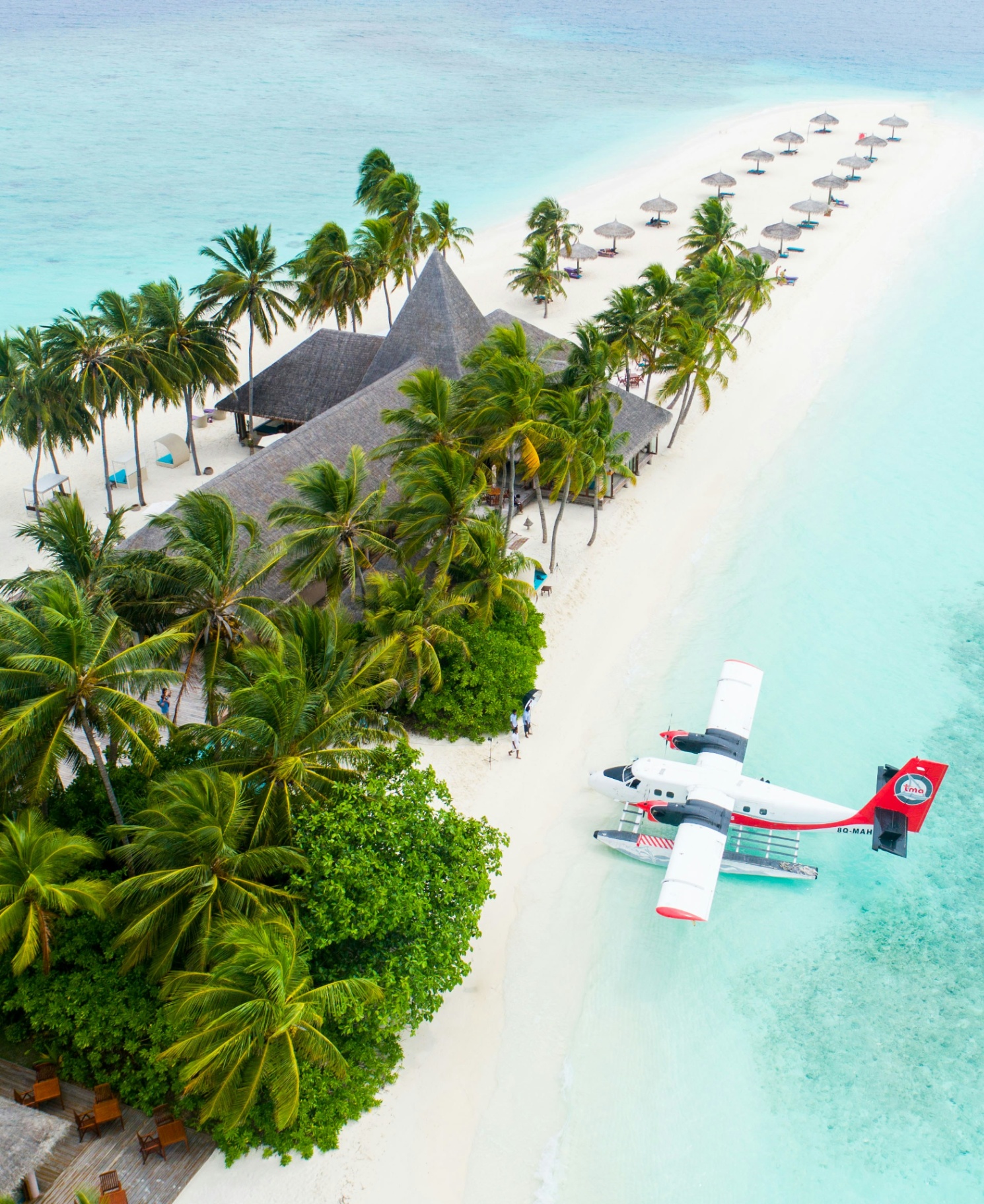
5Aerial & Destination Photography
Aerial and destination imagery answers the question: where am I, and why here? Drone photography and wide destination shots give guests a sense of scale, geography and exclusivity. They are particularly powerful for island resorts, safari lodges, vineyard hotels and boutique properties set within dramatic landscapes.
When to use it: Hero images, location pages, travel partner pitches and high-impact advertising.
How these styles build a brand story
A single beautiful image rarely converts on its own. Conversion happens when a guest can imagine the entire stay: arriving at the property, walking through the interiors, tasting the food, meeting the people and exploring the location. That is why the five styles above work best as a coordinated library rather than isolated shots.
The Tuscan Villa
A villa brand combined architectural, lifestyle and destination photography to increase direct bookings by giving guests a complete narrative before they enquired.
The Coastal Resort
A resort used hotel lifestyle photography and food imagery to reposition itself from a accommodation provider to a dining and wellness destination.
The Heritage Hotel
A historic property leaned into editorial and architectural photography to highlight craftsmanship and service, justifying a premium rate against newer competitors.
What to look for in a hospitality photographer
- Experience shooting luxury properties and high-end interiors
- A portfolio that blends people, place and detail naturally
- Understanding of natural light and golden-hour timing
- Ability to produce both stills and short-form video content
- A clear post-production process that preserves brand colour
- Rights and licensing terms suited to multi-channel use
Build a visual library that keeps working
The best hospitality photography does not sit in a folder. It becomes the backbone of your website, social channels, press outreach and partner marketing for years. If you are planning a visual refresh for your hotel or destination brand, we would love to help you shape it.